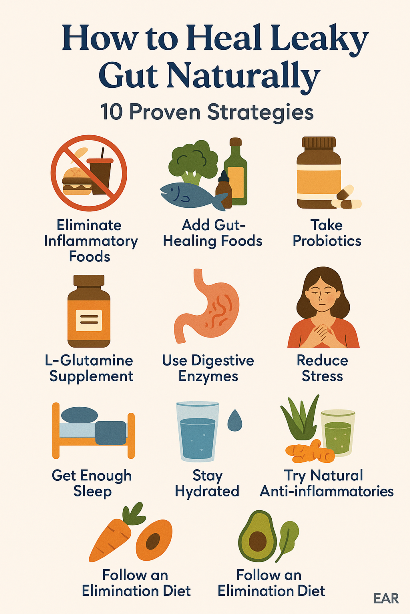
Discover how to heal leaky gut naturally using proven home remedies, gut-friendly foods, and lifestyle changes. Improve digestion, energy, and overall health.
🟦 What Is Leaky Gut Syndrome?
Leaky Gut Syndrome, also known as increased intestinal permeability, occurs when the gut lining becomes damaged, allowing toxins, microbes, and undigested food to “leak” into the bloodstream—causing inflammation and immune responses.
Common Symptoms:
-
Bloating and gas
-
Brain fog
-
Food sensitivities
-
Fatigue
-
Skin issues (eczema, acne)
-
Joint pain
🟧 Top 10 Natural Ways to Heal Leaky Gut
1. Eliminate Inflammatory Foods
Avoid:
-
Refined sugar
-
Gluten
-
Dairy (if sensitive)
-
Alcohol
-
Processed foods
2. Add Gut-Healing Foods
Include:
-
Bone broth
-
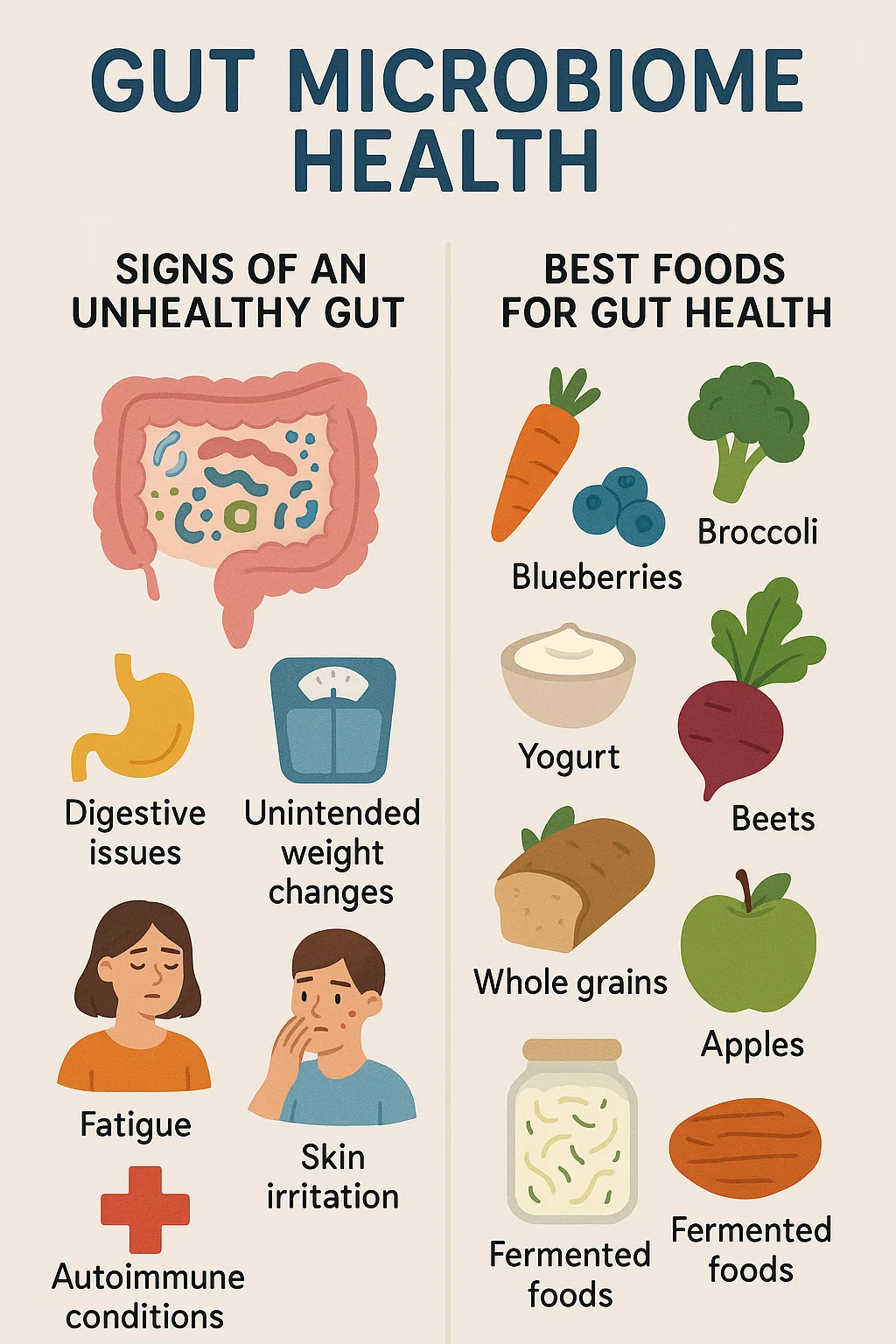
Fermented foods (sauerkraut, kefir, kimchi)
-
Cooked vegetables
-
Coconut oil (anti-inflammatory)
-
Ghee and omega-3-rich fats
3. Take Probiotics
Probiotics restore healthy gut bacteria. Choose multi-strain probiotics with at least 10 billion CFUs.
Yes, exactly! Here’s a more detailed and blog-friendly explanation of that statement, ideal for educating.
🦠 Why Probiotics Matter for Leaky Gut
Probiotics are live, beneficial bacteria that restore the balance of your gut microbiome, which is often disrupted in conditions like leaky gut syndrome.
When your gut is inflamed or “leaky,” harmful bacteria can overgrow, causing further damage to the intestinal lining. Probiotics help by:
-
Rebuilding good bacteria
-
Strengthening the gut barrier
-
Reducing inflammation
-
Supporting digestion and nutrient absorption
✅ What to Look for in a Good Probiotic Supplement:
| Criteria | Recommendation |
|---|---|
| CFUs (Colony Forming Units) | At least 10 billion CFUs per dose |
| Strains | Multi-strain formulas (at least 5–10 strains) |
| Key Strains | Lactobacillus acidophilus, L. rhamnosus, Bifidobacterium bifidum, B. longum |
| Form | Capsules, powders, or fermented foods |
| Delivery | Delayed-release capsules or enteric coating to survive stomach acid |
🍽️ Natural Sources of Probiotics:
-
Yogurt (unsweetened, dairy or coconut-based)
-
Kefir (dairy or coconut)
-
Sauerkraut (unpasteurized)
-
Kimchi
-
Miso
-
Kombucha (low sugar)
-
Tempeh
4. L-Glutamine Supplement
This amino acid helps repair the gut lining. Recommended: 5g daily under supervision (Mentioned below)
Great question! When I mentioned “5g daily under supervision” earlier (in relation to L-Glutamine), here’s what it means:
🔍 Why 5g Daily Under Supervision?
L-Glutamine is an amino acid that plays a key role in repairing the intestinal lining and reducing inflammation in the gut—making it helpful for leaky gut healing.
🔹 Recommended Dosage:
-
Standard therapeutic dose: 5 grams (1 teaspoon) once or twice a day.
-
Best time to take: On an empty stomach, typically in the morning and/or before bed.
⚠️ Why Under Supervision?
Although L-glutamine is generally safe, supervision by a healthcare provider is recommended if:
-
You have liver disease, kidney issues, or cancer
-
You’re on medications, especially chemotherapy or anti-seizure drugs
-
You are pregnant or breastfeeding
-
You’re taking other gut-related or immune-boosting supplements
✅ Safe Use Tips:
-
Use pure L-glutamine powder, no additives or sweeteners.
-
Start with a lower dose (2.5g) if you’re sensitive, then gradually increase.
-
Ensure proper hydration, as it’s a nitrogen-rich compound.
5. Use Digestive Enzymes
These help break down food efficiently, reducing strain on your gut.
mes Are Important for Leaky Gut:
-
Help digest proteins, fats, and carbs fully
-
Reduce bloating and indigestion
-
Prevent undigested food from “leaking” through the intestinal wall
-
Support nutrient absorption, aiding gut lining repair
🔍 Types of Digestive Enzymes to Look For:
| Enzyme | Function |
|---|---|
| Protease | Breaks down proteins |
| Amylase | Breaks down carbohydrates |
| Lipase | Breaks down fats |
| Lactase | Breaks down lactose (milk sugar) |
| Cellulase | Breaks down plant fibers |
| Bromelain & Papain | Natural enzymes from pineapple & papaya (anti-inflammatory too) |
💡 How to Take Digestive Enzymes:
-
Take just before or with meals
-
Look for broad-spectrum enzyme blends
-
Combine with probiotics for better gut support
-
Choose plant-based enzymes for better tolerability
6. Reduce Stress
Chronic stress weakens the gut barrier. Try:
-
Deep breathing
-
Meditation
-
Yoga
-
Walking in nature
7. Get Enough Sleep
Aim for 7–8 hours of quality sleep to allow the body to repair gut tissue.
8. Stay Hydrated
Drink filtered water and herbal teas like chamomile or ginger for gut support.
9. Try Natural Anti-Inflammatories
-
Turmeric (curcumin)
-
Slippery elm
-
Aloe vera juice
10. Follow an Elimination Diet
Temporarily remove common allergens and reintroduce one at a time to identify triggers.
🥦 Follow an Elimination Diet: Identify & Remove Gut Triggers
An elimination diet is one of the most effective natural strategies to heal leaky gut. It helps uncover food sensitivities that may be silently damaging your gut lining and causing inflammation, bloating, or skin issues.
🔍 What Is an Elimination Diet?
It’s a structured eating plan where you remove common inflammatory foods for 3–4 weeks, then slowly reintroduce them one at a time to identify triggers.
🚫 Phase 1: Eliminate These for 21–30 Days
Avoid these potential gut disruptors:
-
Gluten (wheat, rye, barley)
-
Dairy (milk, cheese, yogurt – unless fermented & tolerated)
-
Refined sugar
-
Corn and soy
-
Eggs (optional; some are sensitive)
-
Caffeine (especially coffee, which can irritate gut lining)
-
Alcohol
-
Processed foods and artificial additives
-
Nightshades (tomato, eggplant, peppers, potatoes – if sensitive)
✅ What You Can Eat (Gut-Healing Foods):
-
Cooked vegetables (carrots, squash, greens)
-
Lean meats (chicken, turkey, grass-fed beef)
-
Wild fish (salmon, sardines)
-
Healthy fats (avocado, olive oil, coconut oil, ghee)
-
Bone broth (rich in collagen)
-
Fermented foods (sauerkraut, kefir, coconut yogurt)
-
Gluten-free grains (quinoa, buckwheat, millet)
-
Herbal teas (peppermint, ginger, chamomile)
🔄 Phase 2: Reintroduction (Over 7–14 Days)
-
Reintroduce one food group every 3 days (e.g., dairy, gluten, corn)
-
Track reactions like bloating, headaches, fatigue, skin breakouts
-
If a food causes symptoms, eliminate it again and retry later
🧠 Why It Works:
-
Removes inflammatory stressors
-
Gives your gut lining time to repair
-
Helps you personalize your diet to support long-term gut health
🟫 Bonus: Sample Daily Gut-Healing Plan
| Time | Meal / Activity |
|---|---|
| Morning | Warm lemon water + probiotic |
| Breakfast | Scrambled eggs with ghee + avocado |
| Lunch | Bone broth soup + cooked greens |
| Snack | Coconut yogurt + chia seeds |
| Dinner | Steamed fish + sweet potatoes |
| Before Bed | Chamomile tea + L-glutamine |
✅ Conclusion:
Healing leaky gut naturally is possible with the right food, lifestyle changes, and consistent habits. Start slowly and listen to your body’s signals as you heal.
7-day gut healing meal plan?
Here’s a 7-Day Gut Healing Meal Plan designed to naturally support leaky gut repair. It’s rich in anti-inflammatory foods, probiotics, and nutrients that help restore your intestinal lining.
🟢 7-Day Gut Healing Meal Plan (Leaky Gut Friendly)
✅ Guidelines:
-
Avoid: Gluten, refined sugar, dairy (if intolerant), alcohol, processed foods
-
Include: Bone broth, fermented foods, L-glutamine (optional), cooked veggies, healthy fats, herbs
🟢 Day 1:
-
Morning: Warm lemon water + probiotic
-
Breakfast: Scrambled eggs in ghee + sautéed spinach
-
Lunch: Chicken bone broth soup with carrots, celery, and zucchini
-
Snack: Coconut yogurt with flaxseeds
-
Dinner: Grilled salmon + steamed broccoli + sweet potato
-
Before Bed: Chamomile tea + aloe vera juice
🟢 Day 2:
-
Morning: Ginger tea + L-glutamine
-
Breakfast: Smoothie with banana, spinach, collagen powder, and almond milk
-
Lunch: Turkey lettuce wraps with avocado, cucumber, and olive oil
-
Snack: Handful of walnuts + fermented pickles
-
Dinner: Stir-fried veggies in coconut oil + quinoa
-
Before Bed: Bone broth
🟢 Day 3:
-
Morning: Apple cider vinegar in warm water
-
Breakfast: Coconut flour pancakes + blueberries
-
Lunch: Grilled chicken + mashed sweet potato + sautéed kale
-
Snack: Homemade sauerkraut + boiled egg
-
Dinner: Zucchini noodles with turkey meatballs + olive oil drizzle
-
Before Bed: Peppermint tea
🟢 Day 4:
-
Morning: Lemon water + probiotic
-
Breakfast: Chia seed pudding with almond milk and berries
-
Lunch: Butternut squash soup + green salad (olive oil dressing)
-
Snack: Carrot sticks with hummus
-
Dinner: Grilled fish + steamed green beans + brown rice
-
Before Bed: Herbal tea + 1 tsp glutamine powder
🟢 Day 5:
-
Morning: Turmeric tea
-
Breakfast: Boiled eggs + sautéed mushrooms and onions
-
Lunch: Lentil stew + cucumber salad
-
Snack: Coconut kefir or kombucha (unsweetened)
-
Dinner: Baked chicken + cauliflower mash + greens
-
Before Bed: Bone broth
🟢 Day 6:
-
Morning: Warm water + aloe vera juice
-
Breakfast: Smoothie with avocado, spinach, ginger, and flax
-
Lunch: Sardines or tuna in olive oil + salad with pumpkin seeds
-
Snack: Apple slices with almond butter
-
Dinner: Beef and veggie stir-fry (no soy) with cauliflower rice
-
Before Bed: Chamomile tea
🟢 Day 7:
-
Morning: Lemon water + probiotic
-
Breakfast: Gluten-free oatmeal + cinnamon + coconut milk
-
Lunch: Quinoa salad with roasted veggies and tahini dressing
-
Snack: Handful of soaked almonds + probiotic pickle
-
Dinner: Grilled shrimp + steamed bok choy + baked plantain
-
Before Bed: Turmeric milk (dairy-free)
🟡 Optional Add-Ons:
-
Supplements: L-glutamine, collagen peptides, zinc carnosine
-
Hydration: At least 2–3 liters of filtered water daily
-
Fermented foods daily: Sauerkraut, kimchi, coconut yogurt, kefir
Great question! When I mentioned “5g daily under supervision” earlier (in relation to L-Glutamine), here’s what it means: